

New York City’s iconic pre-war buildings are known for their charm, durability, and historical significance. However, behind their classic facades often lie aging steam heating systems that are inefficient, costly, and difficult to maintain. For building owners navigating energy compliance laws like Local Law 97, optimizing these systems is no longer optional—it’s essential.
Steam system optimization is one of the most cost-effective ways to reduce energy consumption, improve tenant comfort, and lower carbon emissions in older NYC buildings. This guide explores practical strategies, benefits, and compliance considerations for optimizing steam systems in pre-war properties.
Why Steam Systems Are Still Common in Pre-War Buildings
Most buildings constructed before World War II rely on steam heating systems because they were the standard at the time. These systems were designed for durability rather than efficiency. While they can still function today, many operate far below modern performance standards.
Common characteristics of pre-war steam systems include:
- One-pipe or two-pipe steam distribution
- Lack of modern controls and automation
- Oversized boilers
- Poor insulation and heat loss
- Uneven heat distribution across units
These inefficiencies often lead to overheating, high fuel costs, and tenant complaints—especially during winter.
The Need for Steam System Optimization in NYC
With rising energy costs and strict regulations like NYC Local Law 97, building owners must focus on reducing greenhouse gas emissions. Steam systems are a major contributor to energy waste in older buildings, making them a key target for improvement.

Optimizing your steam system can help:
- Reduce energy consumption by 10–30%
- Lower utility bills significantly
- Improve compliance with NYC energy laws
- Enhance tenant comfort and satisfaction
- Extend the lifespan of equipment
In a city where energy benchmarking and carbon limits are strictly monitored, upgrading steam system performance is a smart investment.
Key Components of Steam System Optimization
1. Boiler Efficiency Upgrades
The boiler is the heart of any steam system. In pre-war buildings, boilers are often outdated or improperly sized.
Optimization strategies include:
- Replacing old boilers with high-efficiency models
- Installing modular boilers for better load management
- Tuning burners for optimal combustion efficiency
- Adding stack economizers to recover waste heat
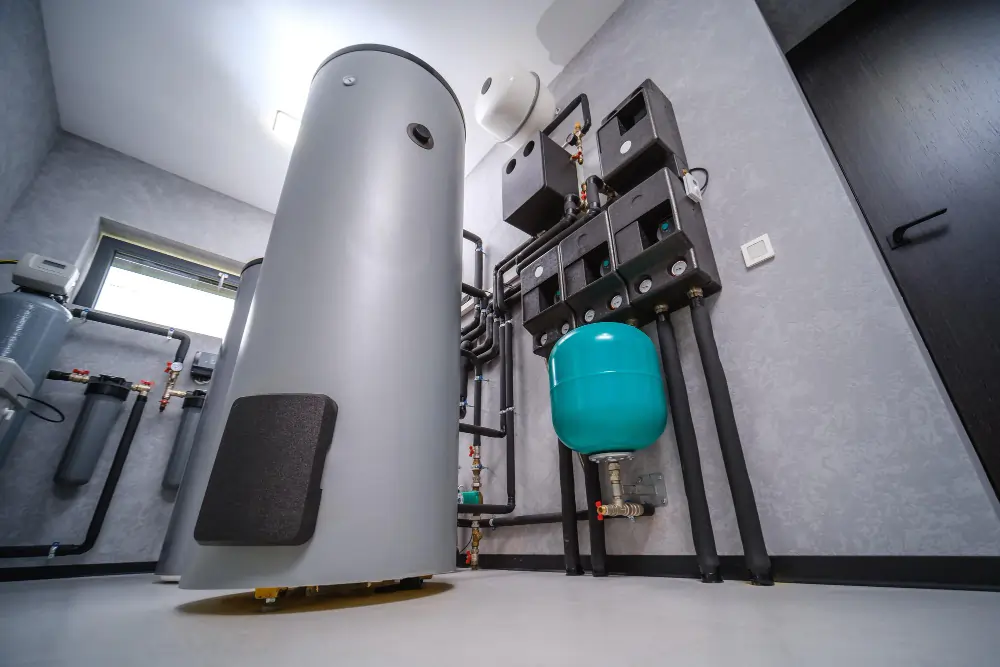
A properly optimized boiler can drastically reduce fuel usage while maintaining consistent heating performance.
2. Steam Trap Maintenance and Replacement
Steam traps are essential for removing condensate and preventing steam loss. Faulty or failed traps can waste significant energy.
Best practices:
- Conduct regular steam trap inspections
- Replace malfunctioning traps immediately
- Implement a steam trap monitoring program
Studies show that up to 20% of steam traps in older systems may fail at any given time, leading to major inefficiencies.
3. Insulation Improvements
Many pre-war buildings have inadequate or deteriorated insulation on steam pipes.
Upgrading insulation helps:
- Reduce heat loss
- Improve system efficiency
- Maintain consistent steam pressure
Insulating exposed pipes in basements and mechanical rooms is a simple yet highly effective upgrade.
4. Balancing the Steam System
Uneven heating is a common issue in NYC apartments. Some units may be overheated while others remain cold.
Balancing involves:
- Adjusting radiator vents
- Installing thermostatic radiator valves (TRVs)
- Ensuring proper air venting across the system
A balanced system distributes heat evenly, reducing complaints and energy waste.
5. Installing Modern Controls
Older steam systems often lack proper controls, leading to overheating and inefficiency.
Modern solutions include:
- Outdoor reset controls
- Indoor temperature sensors
- Smart thermostats
- Building management systems (BMS)
These technologies allow systems to respond dynamically to weather conditions and occupancy, improving efficiency.
Compliance Benefits: Local Law 97 and Beyond
Steam system optimization plays a critical role in meeting NYC’s energy compliance requirements.
Local Law 97 sets strict carbon emission limits for large buildings. Inefficient steam systems can push buildings over these limits, resulting in heavy penalties.
By optimizing your steam system, you can:
- Lower carbon emissions
- Improve ENERGY STAR scores
- Meet benchmarking requirements
- Avoid costly fines
For many building owners, steam optimization is one of the fastest ways to achieve compliance without major structural changes.
Cost vs. ROI: Is It Worth It?
One of the biggest concerns for building owners is the cost of upgrades. The good news is that steam system optimization typically offers a strong return on investment.
Typical ROI factors include:
- Reduced fuel consumption
- Lower maintenance costs
- Utility incentives and rebates
- Increased property value
Many optimization measures have payback periods of less than 3 years, making them financially attractive.
Common Mistakes to Avoid
While optimizing steam systems, building owners often make avoidable mistakes:
- Ignoring regular maintenance
- Over-sizing replacement boilers
- Skipping system balancing
- Failing to monitor performance data
- Using unqualified contractors
Working with experienced energy consultants ensures that upgrades are done correctly and efficiently.
How The Cotocon Group Can Help
Steam system optimization requires a strategic approach that combines engineering expertise with compliance knowledge. The Cotocon Group specializes in helping NYC building owners improve energy efficiency while meeting regulatory requirements.
Services include:
- Energy audits and system assessments
- Boiler and steam system optimization plans
- Local Law 97 compliance strategies
- Retro-commissioning solutions
- Ongoing performance monitoring
By partnering with experts, building owners can maximize savings while ensuring long-term compliance.
Future-Proofing Pre-War Buildings
As NYC continues to push toward sustainability, the pressure on building owners will only increase. Steam system optimization is not just a short-term fix—it’s a step toward future-proofing your property.
Emerging trends include:
- Electrification of heating systems
- Hybrid steam-to-hot-water conversions
- Integration with renewable energy sources
- Advanced data analytics for building performance
Taking action today positions your building for long-term success in a rapidly evolving regulatory environment.
Conclusion
Steam system optimization is one of the most impactful upgrades for pre-war NYC buildings. It addresses inefficiencies, reduces operating costs, and helps meet strict energy regulations like Local Law 97.
For building owners and facility managers, the message is clear: optimizing your steam system is not just about comfort—it’s about compliance, cost savings, and sustainability.
By investing in the right strategies and working with experienced professionals, you can transform an outdated heating system into a high-performing asset that supports your building’s future.


