


LL97 Compliance for Co-ops and Condos: What NYC Building Owners Need to Know
If you own, manage, or serve on the board of a co-op or condo in New York City, Local Law 97 (LL97) is no longer something to put off for “later.” Compliance deadlines are here, emissions limits are becoming stricter, and penalties for non-compliance can be expensive.
For many co-op boards and condo associations, LL97 feels overwhelming. Questions about building emissions, energy upgrades, benchmarking, and capital planning often leave decision-makers wondering where to begin.
The good news is that compliance is achievable with the right strategy.
This guide explains what LL97 compliance means for co-ops and condos, the challenges property owners face, and practical steps to avoid fines while improving building performance.
What Is Local Law 97?
Local Law 97 is part of New York City’s Climate Mobilization Act. It aims to reduce greenhouse gas emissions from large buildings across the city. Since buildings account for a major portion of NYC’s carbon emissions, the law targets energy use and carbon output in residential and commercial properties.
Under LL97, most buildings over 25,000 square feet must meet annual carbon emissions limits. If a building exceeds those limits, owners may face financial penalties.
For co-ops and condos, this creates new responsibilities for building boards, property managers, and facility teams.
Many multifamily residential buildings in NYC are affected, especially older structures with outdated heating, cooling, and ventilation systems.
Why LL97 Matters for Co-Ops and Condos
Co-op and condo boards are in a unique position when it comes to compliance. Unlike commercial buildings, decision-making often involves multiple stakeholders, budget approvals, reserve planning, and resident concerns.
Ignoring LL97 requirements can lead to rising operating costs and potential penalties. On the other hand, proactive planning can create long-term savings and improve resident comfort.
Here’s why compliance matters:
Avoid Costly Fines
Buildings exceeding emissions limits may face annual penalties based on excess carbon emissions. These costs can quickly add up, especially for older residential properties with inefficient systems.
Starting compliance planning early gives building owners time to make smart improvements instead of rushing expensive upgrades later.
Lower Energy Costs
One of the biggest advantages of LL97 compliance is energy efficiency.
Many co-ops and condos waste energy because of aging infrastructure, poor insulation, inefficient boilers, or outdated HVAC systems. Energy retrofits can significantly reduce utility expenses over time.
Lower operating costs often benefit both residents and building management.
Improve Property Value
Energy-efficient buildings are becoming more attractive to buyers and investors.
As sustainability becomes a bigger priority in real estate, buildings with better energy performance may gain a competitive advantage in the housing market.
For condo associations and co-op boards, this can improve long-term property appeal.
Better Resident Comfort
Energy upgrades often improve indoor comfort.
Residents may notice more consistent temperatures, improved ventilation, and better indoor air quality after system upgrades.
This creates a better living environment while supporting compliance goals.
Also Read: NYC Local Law 88 – Lighting Upgrades
Which Co-Ops and Condos Must Comply?
Not every residential building falls under Local Law 97.
Generally, LL97 applies to:
- Buildings larger than 25,000 square feet
- Multiple buildings on the same tax lot exceeding 50,000 square feet
- Condo associations governed under combined ownership structures
However, some properties may qualify for exemptions or adjusted requirements.
Affordable housing, rent-regulated properties, and certain building categories may have alternative compliance pathways.
Because building classifications vary, it is important to work with professionals who understand NYC Local Law 97 requirements.
Common LL97 Challenges for Co-Op and Condo Buildings
Many residential buildings face similar roadblocks when preparing for compliance.
Aging Infrastructure
Older NYC buildings often rely on outdated systems that consume excessive energy.
Common problems include:
- Old boilers
- Inefficient steam systems
- Poor building insulation
- Aging windows
- Outdated lighting systems
These inefficiencies can increase carbon emissions and make compliance harder.
Budget Constraints
Unlike commercial real estate owners, co-op and condo boards often need resident approval for large projects.
Balancing capital improvements with affordability can be challenging.
That’s why phased upgrades and long-term planning are important for managing costs.
Limited Technical Knowledge
LL97 compliance involves technical areas like:
- Energy benchmarking
- Carbon emissions calculations
- Building performance analysis
- Retro-commissioning
- Energy audits
Most board members are not energy experts, which makes outside guidance valuable.
Resident Pushback
Building upgrades can create temporary inconvenience.
Some residents may hesitate when hearing about renovation costs or construction work.
Clear communication about long-term savings and compliance benefits can help build support.
Also Read: Protects your building from New York City energy fines
Steps to Achieve LL97 Compliance for Co-Ops and Condos
The best approach to Local Law 97 compliance is to start early and plan strategically.
1. Understand Your Building’s Emissions
The first step is knowing where your building stands today.
A building emissions assessment helps determine:
- Current carbon output
- Energy consumption patterns
- Areas of inefficiency
- Potential penalty risks
Without data, planning becomes difficult.
Understanding baseline performance gives boards a clear direction.
2. Conduct an Energy Audit
An energy audit identifies opportunities to reduce energy waste.
This process often reveals cost-effective improvements such as:
- LED lighting upgrades
- HVAC optimization
- Boiler efficiency improvements
- Smart building controls
- Insulation enhancements
Not every solution requires major capital investment.
Sometimes smaller operational improvements create meaningful savings.
3. Consider Retro-Commissioning
Retro-commissioning is often one of the smartest investments for older buildings.
This process evaluates how building systems operate and identifies performance issues.
In many cases, buildings can reduce energy use without major equipment replacement.
Retro-commissioning may include:
- HVAC calibration
- System optimization
- Sensor adjustments
- Scheduling improvements
These upgrades can help lower emissions and improve efficiency.
4. Develop a Capital Improvement Plan
LL97 compliance should not feel reactive.
Instead of waiting for deadlines, co-op boards and condo associations should create a long-term roadmap.
This plan may include:
Short-term improvements
- Lighting upgrades
- Building automation adjustments
- Operational improvements
Mid-term upgrades
- Boiler replacement
- Ventilation improvements
- Envelope upgrades
Long-term investments
- Electrification
- Heat pump systems
- Deep energy retrofits
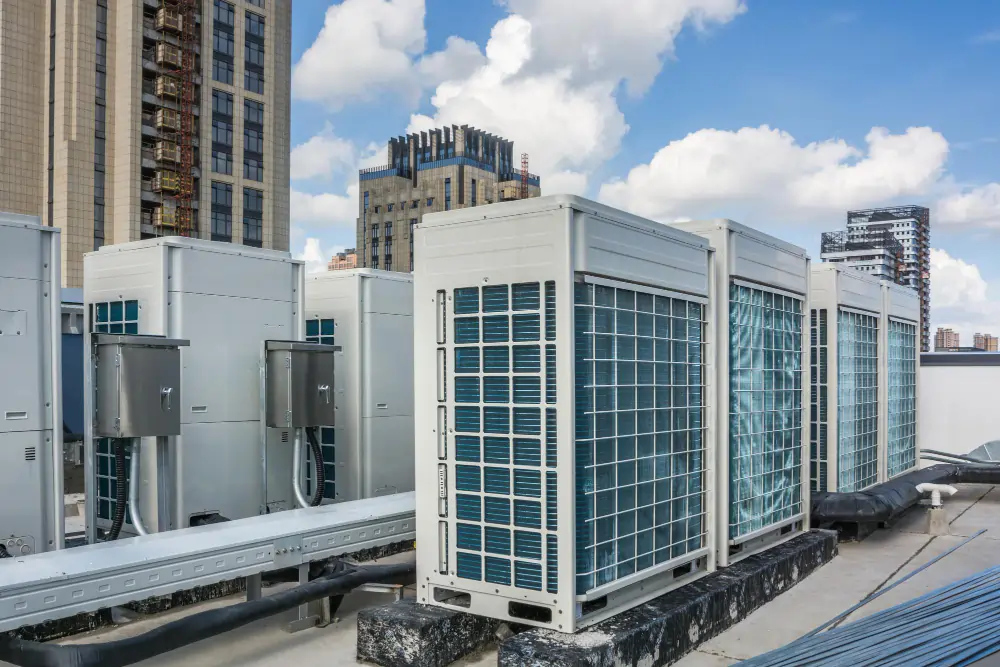
Phasing improvements helps manage financial impact.
5. Work With Building Performance Experts
Because LL97 requirements can be complex, professional guidance matters.
Building performance specialists can help:
- Analyze compliance risks
- Develop reduction strategies
- Improve operational efficiency
- Support emissions reporting
- Create long-term energy plans
Working with experts reduces uncertainty and helps boards make informed decisions.
Frequently Asked Questions About LL97 Compliance
What happens if a co-op or condo fails LL97 compliance?
Buildings exceeding emissions limits may face annual financial penalties. The amount depends on how much carbon emissions exceed allowed thresholds.
Are all NYC condos required to comply with Local Law 97?
No. Requirements typically apply to larger buildings over 25,000 square feet, though building structure and ownership models may affect eligibility.
Can older buildings still become compliant?
Yes. Even older buildings can improve efficiency through energy retrofits, retro-commissioning, and system upgrades.
How can condo boards reduce LL97 costs?
Starting early is one of the best ways to control expenses. Strategic planning allows boards to spread upgrades over time instead of facing emergency spending.
Does LL97 increase maintenance costs?
Initially, some investments may be required. However, many energy improvements lower operating expenses over time through reduced utility costs.
The Future of Co-Ops and Condos Under LL97
Local Law 97 is reshaping how residential buildings approach energy performance in New York City.
For co-op and condo boards, compliance is not only about avoiding penalties. It is also an opportunity to modernize buildings, reduce waste, improve resident comfort, and strengthen long-term property value.
The buildings that plan ahead today will be in a stronger position tomorrow.
LL97 compliance for co-ops and condos may seem complicated at first, but taking early action can make the process far more manageable.
Whether your building needs energy assessments, retro-commissioning, or a long-term building optimization strategy, proactive planning is the key to staying ahead of compliance deadlines while improving overall performance.
