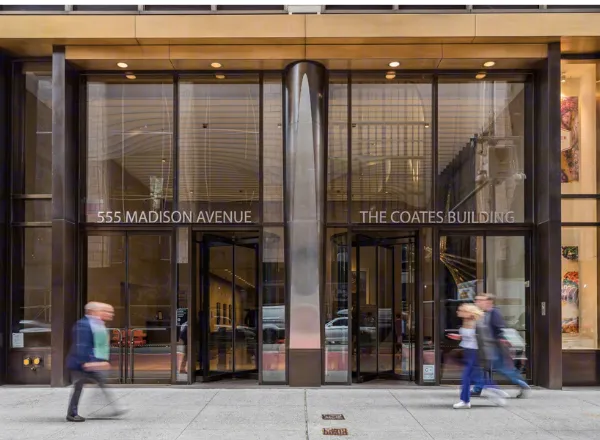
500–512 Seventh Avenue, New York, NY
Commercial Office / Mixed Use
1,275,808 sq. ft.
1921
2020
Being a 1.27M sq ft, pre-war (1921) steam-heated commercial tower, the building faced:
• High base loads from aging mechanical systems
• Inconsistent heating across zones
• Tenant variability (office, retail, extended schedules)
• Outdated controls and distribution inefficiencies
• Increasing pressure under LL97’s tightening carbon caps
These conditions required both immediate operational fixes and long-term capital planning.
• Reduced steam & condensate heat losses
• Stabilized heating and improved condensate return temperatures
• Lowered boiler runtime and fuel waste
• High-efficiency LEDs
• Occupancy sensors + daylight harvesting
• Reduced after-hours consumption and improved load control
• Multi-zone heating control
• Real-time analytics & remote optimization
• Lower nighttime overheating and reduced boiler cycling
Total verified utility savings: $250,000+ in 24 months
Cotocon is executing a whole-building decarbonization roadmap aligned with LL97 thresholds for 2030, 2040, and 2050:
• Steam trap testing & replacement program
• Electrification feasibility modeling (VRF, ASHP, hybrid systems)
• Chiller replacement roadmap using high-efficiency, low-GWP equipment
• Energy modeling for emissions forecasting
• Electrical capacity assessment for future electrification loads
This ensures the building stays ahead of future LL97 penalty curves.
Cotocon manages all NYC energy law requirements:
• LL84 Benchmarking: ESPM calibration, utility verification, trend analysis
• LL87 Energy Audit & RCx: System testing, calibration, functional diagnostics
• LL88 Lighting/Submetering: Tenant metering strategies & code compliance
• LL97 Emissions Forecasting: Carbon modeling, reporting, penalty avoidance planning
The property maintains full compliance annually with no fines.
Under Cotocon’s guidance:
• Emissions: ↓ ~12%
• ENERGY STAR Score: ↑ ~10 points
• Site Energy Use: ↓ 18%
• Source Energy Use: ↓ 11%
For a 1921, steam-heavy, 1.27M sq ft commercial building, these improvements represent a major operational transformation.
Common LL97 risks include:
• High steam distribution losses
• Simultaneous heating & cooling
• Oversized/inefficient equipment
• Tenant load misalignment
• Poor controls integration
• Lack of electrification readiness
Cotocon’s roadmap addresses all of these through engineering + compliance integration.
Accurate LL84 benchmarking provides:
• Early detection of anomalies
• Clear EUI baseline for LL97 modeling
• Energy & emissions trend visibility
• Foundation for ENERGY STAR score improvements
• Supporting data for capital planning and retrofits
For 500–512 Seventh Ave, benchmarking was the anchor behind every improvement.
• Reduced utility costs
• Avoidance of LL97 penalties
• Informed CapEx planning
• Higher operational stability
• Stronger tenant communications
• Better asset valuation for lenders and investors
This positions the building for longevity under future NYC energy regulations.